

Chardham Yatra for Senior Citizens , For countless senior citizens, undertaking the Chardham Yatra represents the culmination of a lifetime’s devotion—a sacred pilgrimage to the four holiest shrines nestled in the majestic Himalayas of Uttarakhand. Yamunotri, Gangotri, Kedarnath, and Badrinath aren’t just temples; they’re spiritual gateways believed to wash away sins and grant moksha. However, the physical demands of this high-altitude journey have traditionally deterred many elderly devotees.
The steep climbs, long distances, unpredictable weather, and challenging terrain can seem insurmountable obstacles. But here’s the beautiful truth: with careful planning, modern facilities, and the right approach, senior citizens can absolutely complete this sacred pilgrimage without excessive physical stress. This comprehensive guide will show you exactly how to transform what seems like an impossible dream into a comfortable, spiritually enriching reality.

Understanding the Physical Challenges of Chardham Yatra
High Altitude Concerns
The Chardham temples are located at significant altitudes—Yamunotri at 3,293 meters, Gangotri at 3,100 meters, Kedarnath at 3,583 meters, and Badrinath at 3,133 meters. At these heights, oxygen levels decrease, potentially causing altitude sickness with symptoms like headaches, nausea, breathlessness, and fatigue. For senior citizens, especially those with heart conditions, respiratory issues, or high blood pressure, these altitude effects require serious consideration and proper medical consultation before undertaking the journey.
Long Travel Distances
The entire Chardham circuit covers approximately 1,500 kilometers of mountain roads. Even with modern vehicles, the winding Himalayan highways require 10-12 hours of daily travel between destinations. For elderly travelers accustomed to comfort, these extended journeys can be exhausting, causing back pain, motion sickness, and general fatigue that diminishes the spiritual experience.
Walking and Climbing Requirements
Traditionally, reaching the temples involved significant trekking. Yamunotri requires a 6-kilometer uphill trek, Kedarnath involves a challenging 16-kilometer mountain path, while Gangotri and Badrinath are relatively more accessible by road. For seniors with joint problems, reduced stamina, or mobility limitations, these walking requirements have historically made the pilgrimage seem impossible.
Modern Solutions for Comfortable Chardham Yatra
Helicopter Services
The game-changer for senior citizens is helicopter services that dramatically reduce physical exertion. Helicopter Chardham packages can complete the entire pilgrimage in just 5-6 days compared to 10-12 days by road. These services fly directly to or very near the temples, eliminating long treks and reducing altitude exposure time. While more expensive than traditional tours, helicopter services make the pilgrimage accessible to seniors who couldn’t otherwise manage it.
Palkhi and Pony Options
For those choosing road journeys but unable to walk long distances, palanquin (palkhi) services and pony rides are available at Yamunotri and Kedarnath. Trained porters carry elderly pilgrims in comfortable chairs along the trekking routes. While this requires careful selection of reliable service providers, it offers a middle ground between helicopter luxury and impossible trekking.
Comfortable Road Transport
Modern tour operators provide luxury vehicles with comfortable seating, proper suspension, and experienced mountain drivers. Some packages use smaller vehicles for better maneuverability on narrow mountain roads, reducing travel anxiety. Regular rest stops, climate control, and entertainment systems make long journeys more bearable for senior travelers.
Choosing the Right Package for Senior Citizens
Customized Itineraries with Rest Days
Standard Chardham packages often rush through destinations to minimize costs. Senior-specific packages incorporate additional rest days, allowing bodies to acclimatize to altitude and recover from travel fatigue. These itineraries typically span 12-15 days instead of the rushed 9-10 day packages, prioritizing comfort over speed.
Medical Support and Emergency Services
Reputable senior-friendly tour operators provide medical support including traveling doctors or nurses, oxygen cylinders in vehicles, first-aid kits, and established relationships with hospitals along the route. Emergency evacuation plans and comprehensive insurance coverage provide peace of mind for both elderly travelers and their families.
Senior-Friendly Accommodation
Accommodation matters tremendously at high altitudes. Senior packages prioritize hotels with elevators, oxygen supply facilities, attached bathrooms with western toilets, room heaters, and preferably ground-floor rooms. Properties near temples minimize walking distances, while those with in-house dining eliminate the need to venture out for meals in cold mountain evenings.
The Four Sacred Dhams Explained
Yamunotri – Source of River Yamuna
Yamunotri, the westernmost dham, marks the source of the Yamuna River. The temple dedicated to Goddess Yamuna sits amidst stunning mountain scenery. The hot springs at Surya Kund are used to cook rice and potatoes as offerings. For seniors using palkhi services, the journey becomes manageable, and the spiritual merit of visiting this remote shrine feels especially earned.
Gangotri – Origin of River Ganga
Gangotri commemorates the descent of the holy Ganga to earth. The temple’s serene location beside the rushing Bhagirathi River creates a powerful spiritual atmosphere. Relatively accessible by road with minimal walking required, Gangotri is often the most comfortable dham for elderly pilgrims. The cool mountain air and sound of the river create a meditative environment perfect for prayer and reflection.
Kedarnath – Abode of Lord Shiva
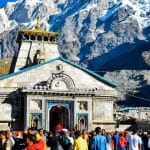
Kedarnath, one of the twelve Jyotirlingas, holds supreme importance in Hinduism. Historically challenging due to its 16-kilometer trek, it’s now accessible via helicopter services that land just 500 meters from the temple. For seniors, helicopter access transforms Kedarnath from impossible to achievable. The dramatic mountain backdrop and profound spiritual energy make this many pilgrims’ most memorable experience.
Badrinath – Seat of Lord Vishnu
Badrinath, dedicated to Lord Vishnu, is the most accessible dham, located right on the roadside in the town of Badrinath. The temple’s architecture, the hot springs at Tapt Kund, and the scenic beauty of the Neelkanth peak create a fitting finale to the pilgrimage. For senior citizens, Badrinath’s accessibility often provides a confidence-building conclusion to their sacred journey.
Step-by-Step Planning Guide for Seniors
Medical Preparation and Health Checkup
Begin planning three months ahead with a comprehensive medical checkup. Consult your doctor about altitude travel, discussing pre-existing conditions like hypertension, diabetes, heart disease, or respiratory issues. Obtain necessary medications in sufficient quantities, and request a letter detailing your medical conditions and prescriptions. Some tour operators require medical clearance certificates for senior citizens, especially for helicopter services.
Selecting the Right Season
The Chardham season typically runs from late April/early May through October/November, with temples closing for winter. For senior citizens, May-June and September-October offer the best conditions. May and June provide warmer temperatures but attract peak crowds. September and October offer pleasant weather with fewer tourists but carry slight rain risk. Avoid the monsoon months of July-August when landslides and road closures are common.
Booking Accommodations in Advance
Good accommodation at high-altitude locations fills quickly. Book at least two to three months in advance, specifically requesting ground-floor rooms, oxygen availability, and proximity to dining areas. Confirm amenities like room heaters, hot water availability, and backup power. Read recent reviews from other senior travelers to ensure properties meet comfort standards.
Packing Essentials for Comfort
Pack layered clothing to adjust to varying temperatures—thermal innerwear, warm jackets, comfortable walking shoes with good grip, rain protection, sunglasses, and sun hats. Essential items include prescribed medications, altitude sickness medicine (after doctor consultation), basic first-aid supplies, personal oxygen canisters (available in markets), energy snacks, water bottles, and photocopies of important documents. Keep luggage lightweight since you’ll be moving accommodations frequently.
Sample Stress-Free Itinerary for Senior Citizens
A comfortable 12-day itinerary might look like this: Day 1 arrives in Haridwar or Dehradun with overnight rest. Day 2-3 travels to Barkot with acclimatization, then Yamunotri via palkhi. Day 4-5 proceeds to Uttarkashi and Gangotri with rest periods. Day 6-7 reaches Guptkashi with full rest before Kedarnath. Day 8 completes Kedarnath via helicopter with return to Guptkashi. Day 9-10 travels to Badrinath with sightseeing. Day 11 visits Mana village and returns toward Haridwar. Day 12 concludes in Haridwar with departure. This leisurely pace prevents exhaustion and allows proper acclimatization.
Health and Safety Precautions
Altitude Sickness Prevention
Ascend gradually, spending nights at intermediate altitudes before reaching the highest points. Stay well-hydrated, drinking 3-4 liters of water daily. Avoid alcohol and heavy meals. Medications like Diamox (acetazolamide) can prevent altitude sickness but require doctor prescription and advance usage. Recognize symptoms early—persistent headache, nausea, dizziness, or unusual breathlessness warrant immediate descent to lower altitude.
Oxygen Cylinder Availability
Ensure your vehicle carries portable oxygen cylinders throughout the journey. Many hotels at high altitudes now provide oxygen concentrators in rooms. Don’t hesitate to use oxygen if feeling breathless—it’s not a sign of weakness but sensible precaution. Helicopter services include oxygen supply as standard, providing additional safety for senior travelers.
Medication and First Aid
Carry a comprehensive first-aid kit including bandages, antiseptic, pain relievers, anti-diarrheal medication, and any personal prescriptions. Include medicines for common travel ailments—motion sickness, indigestion, fever, and cold. Keep medicines in carry-on luggage, not checked bags. Inform your tour operator about any medical conditions so they can prepare appropriately.
Helicopter Chardham Yatra – The Comfortable Alternative
Helicopter Chardham tours are specifically designed for those unable to undertake road journeys. Operating from Dehradun, these services complete the pilgrimage in 5-6 days, landing at helipads near each temple. Walking distances reduce to 500 meters or less at most sites. The aerial views of the Himalayas add spectacular dimension to the spiritual journey. While costs range from ₹1,75,000 to ₹2,50,000 per person, for many senior citizens, this represents the only feasible way to fulfill lifelong spiritual aspirations.
Dietary Considerations During the Yatra
Mountain regions offer simple vegetarian fare—rice, dal, roti, and vegetables. Carry digestive enzymes if you have sensitive stomach. Avoid heavy, oily, or unfamiliar foods that might cause digestive distress at high altitude. Stick to bottled water exclusively. Light, frequent meals work better than three heavy ones. Warm soups and herbal teas (especially ginger tea) help with altitude adjustment. Many senior-specific tours arrange meals considering dietary restrictions and preferences.
What to Expect at Each Dham
Expect cold temperatures even in summer—mornings and evenings can drop to 5-10°C. Temples maintain strict dress codes requiring covered legs and shoulders. Darshan queues can be long, though VIP passes available through tour operators reduce waiting. The spiritual atmosphere is intense, with devotional songs, bell sounds, and incense creating powerful sensory experiences. Photography restrictions apply inside temple sanctums. The entire environment, despite physical challenges, radiates devotion that moves even the most practical senior travelers.
Budget Planning for Senior-Friendly Chardham Tours
Budget varies dramatically based on comfort level. Economical road packages start around ₹35,000-₹50,000 per person for 10-12 days. Premium senior-specific road tours with better hotels and medical support cost ₹75,000-₹1,25,000. Helicopter packages range from ₹1,75,000-₹2,50,000. Additional costs include personal expenses, temple donations, palkhi/pony charges (₹4,000-₹8,000 for Yamunotri/Kedarnath), VIP darshan tickets, and shopping. Budget an extra 20-30% above package costs for unexpected expenses and comfort items.
Tips for Making the Journey Spiritually Fulfilling
Despite modern conveniences, maintain the pilgrimage’s spiritual essence. Begin each day with prayers, practice meditation during travel, and maintain positive attitudes despite inevitable discomforts. Engage with fellow pilgrims, sharing experiences and devotion. At each temple, spend time in genuine prayer rather than rushing through rituals. Keep a journal documenting spiritual insights alongside practical experiences. Remember that the journey’s difficulty itself holds meaning—overcoming challenges at this stage of life demonstrates exceptional devotion that the divine surely recognizes.
Conclusion
The Chardham Yatra, once considered impossible for senior citizens, is now achievable through careful planning, modern facilities, and appropriate support systems. Whether you choose helicopter services for maximum comfort, road journeys with palkhi assistance, or customize a unique approach combining various options, the sacred pilgrimage to these four Himalayan temples remains accessible to devoted elderly pilgrims. The key lies in honest assessment of your physical capabilities, willingness to invest in appropriate services, and focus on the spiritual journey rather than physical achievement.
Thousands of senior citizens successfully complete Chardham annually, returning with fulfilled hearts, blessed souls, and memories that illuminate their remaining years. Your age isn’t a barrier—it’s a testament to decades of devotion finally bearing fruit. With proper planning and the right support, you too can stand before the sacred shrines of Yamunotri, Gangotri, Kedarnath, and Badrinath, completing one of Hinduism’s most revered pilgrimages regardless of physical limitations. The divine calls; modern solutions answer—making your Chardham dream beautifully achievable.
FAQs
u003cstrongu003eu003cstrongu003e1. What is the minimum age or health requirement for senior citizens to undertake Chardham Yatra?u003c/strongu003eu003c/strongu003e
There’s no official age limit, but senior citizens should undergo thorough medical evaluation before attempting Chardham. Those with severe heart conditions, uncontrolled hypertension, serious respiratory diseases, or recent surgeries should consult cardiologists and pulmonologists. Generally, seniors in reasonably good health with well-controlled chronic conditions can undertake the pilgrimage, especially via helicopter services. Tour operators may require medical fitness certificates for travelers above 60-65 years. The key is honest health assessment and choosing appropriate travel methods—helicopter services accommodate seniors who couldn’t manage road journeys.
u003cstrongu003e2. How much does a senior-friendly Chardham package typically cost?u003c/strongu003e
Costs vary significantly based on comfort level and travel method. Budget road packages start at ₹35,000-₹50,000 per person for 10-12 days with basic accommodation. Mid-range senior-specific packages with better hotels, medical support, and comfortable vehicles cost ₹60,000-₹1,00,000. Premium luxury packages can reach ₹1,25,000-₹1,75,000. Helicopter Chardham tours range from ₹1,75,000 to ₹2,50,000 per person for 5-6 days. Additional expenses include palkhi/pony services (₹4,000-₹8,000 per trek), personal expenses, VIP darshan fees, and travel to/from starting points. Budget conservatively, adding 20-30% contingency.
u003cstrongu003e3. Is travel insurance necessary for senior citizens on Chardham Yatra?u003c/strongu003e
Travel insurance is absolutely essential for senior citizens undertaking Chardham. Comprehensive policies should cover medical emergencies, emergency evacuation from high altitudes (including helicopter evacuation costs), trip cancellation due to health issues, and lost luggage. Given the remote locations and altitude challenges, medical emergencies can be extremely expensive without insurance. Many tour operators include basic insurance in premium packages, but verify coverage limits and exclusions. Specialized adventure/pilgrimage insurance policies designed for Himalayan travel offer better protection than standard travel insurance, especially for seniors with pre-existing conditions.
u003cstrongu003e4. Can senior citizens with diabetes or heart conditions safely complete Chardham Yatra?u003c/strongu003e
Many seniors with well-controlled diabetes or heart conditions successfully complete Chardham, but medical consultation is crucial. Diabetics must carefully manage blood sugar levels—altitude and physical exertion affect glucose metabolism, requiring medication adjustments. Carry ample supplies, glucose monitoring devices, and emergency sugar sources. Heart patients should have recent cardiac evaluations (ECG, stress tests) and carry all prescribed medications. Helicopter services significantly reduce cardiovascular stress compared to road travel and trekking. Tour operators with medical support provide additional safety. Some conditions—recent heart attacks, unstable angina, or poorly controlled diabetes—may contraindicate the pilgrimage.
u003cstrongu003e5. What happens if a senior citizen experiences altitude sickness during the yatra?u003c/strongu003e
Immediate descent to lower altitude is the primary treatment for serious altitude sickness. Tour operators experienced with senior travelers recognize symptoms early and have established protocols. Initial management includes rest, oxygen administration, hydration, and medications like Diamox or Dexamethasone (under medical supervision). If symptoms don’t improve, immediate evacuation to lower altitude is arranged—this is why medical insurance with evacuation coverage is critical. Prevention through gradual acclimatization, proper hydration, and avoiding overexertion is better than treatment. Helicopter tours reduce altitude exposure time, decreasing altitude sickness risk considerably compared to extended road stays at high elevations.



Comments are closed.